Dynamic Model Selection: Routing AI Requests at Runtime
Route AI requests to the optimal model at runtime based on task complexity, cost budgets, latency requirements, and provider availability using NeuroLink's dynamic model selection system.
Route AI requests to the optimal model at runtime based on task complexity, cost budgets, latency requirements, and provider availability using NeuroLink's dynamic model selection system.
Instrument your AI pipeline with OpenTelemetry using NeuroLink's OTEL integration — trace every token from request to response with custom exporters, Langfuse integration, span processing, and real-time metrics aggregation.
How we built a live MCP documentation server inside NeuroLink's Docusaurus site that lets AI agents query, search, and retrieve documentation in real time through the Model Context Protocol.
Go beyond single clips with NeuroLink's multi-scene video generation powered by Veo 3.1 — direct AI films with scene descriptions, synchronized audio, resolution control, and automated scene merging.
How NeuroLink's MCP circuit breaker implements the closed-open-half-open state machine to isolate tool call failures and prevent cascading outages across your AI agent's external dependencies.
Compare NeuroLink's five reranking strategies for RAG — simple scoring, LLM-based, batch, cross-encoder, and Cohere — with benchmarks, cost analysis, and guidance on when to use each.
NeuroLink v9.30 lifecycle middleware hooks let you tap into onFinish, onError, and onChunk events for logging, analytics, error recovery, and real-time monitoring without touching business logic.
NeuroLink ships 10 chunking strategies for RAG pipelines — from simple character splitting to semantic chunking. This guide benchmarks all 10 and shows when to use each for optimal retrieval quality.
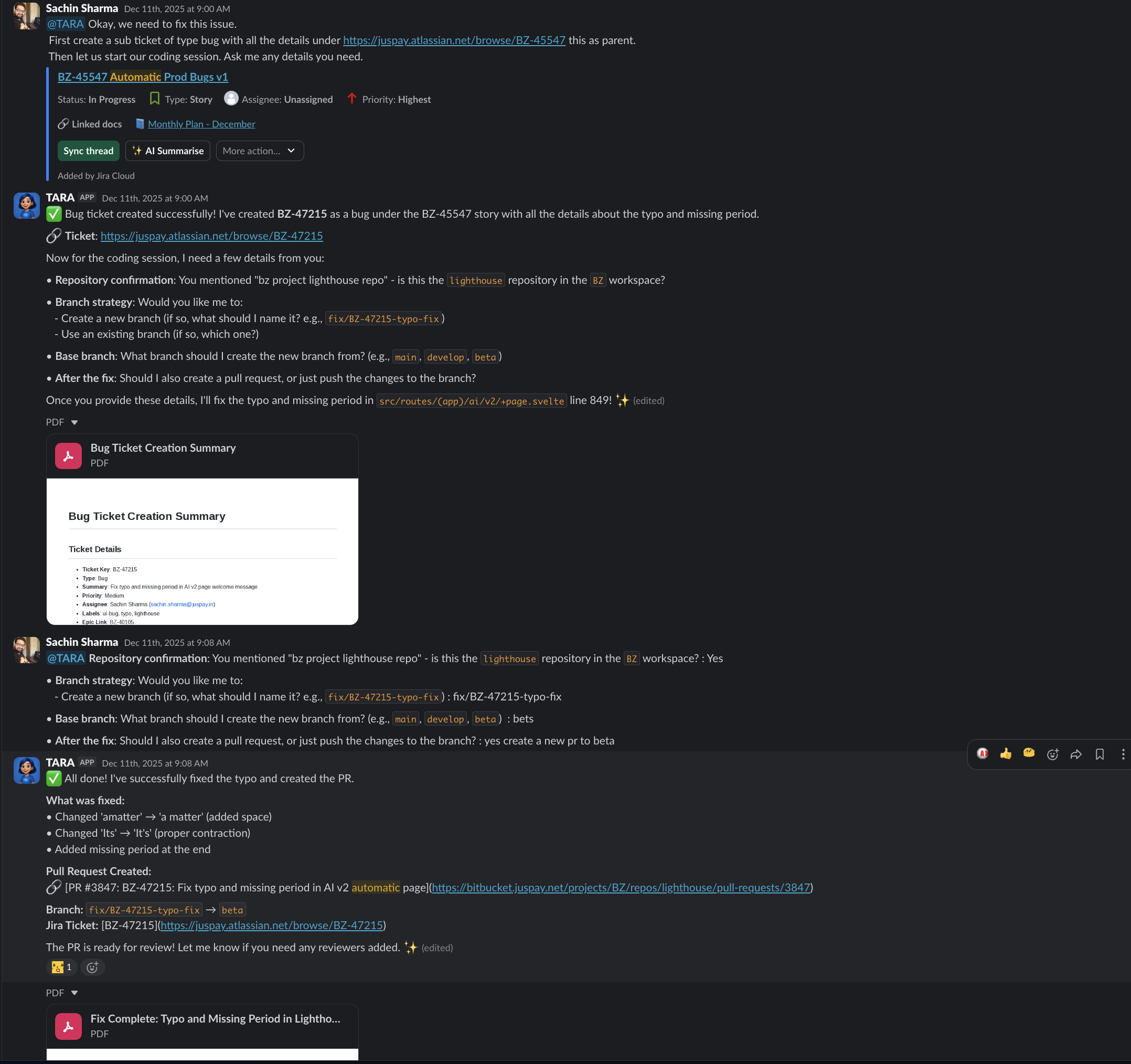
How Juspay built Yama, an AI-native code review tool using NeuroLink SDK with Bitbucket and Jira MCP connectors to review PRs across security, runtime, performance, and code quality focus areas.
NeuroLink's native Gemini 3 and 3.1 integration using Google's SDK directly for thought signatures, streaming tool calls, and multimodal input across both AI Studio and Vertex AI.